
Category: Weight Loss Science Tags: Fat Loss vs Weight Loss, Scale Weight Fluctuations, Body Composition, Water Retention, Weight Loss Motivation, NSVs Primary SEO Keyword: Why the scale lies
The Morning Heartbreak
We’ve all been there. You’ve had a “perfect” week. You’ve traded the fries for steamed greens, you’ve hit your 10,000 steps every single day, and you’ve even resisted the office cakes. You feel lighter, your energy is up, and so you step on the scale Monday morning with great expectations.
Instead, the number stares back at you—1kg higher than it was last week.
In that split second, your “inner critic” kicks in. “It’s not working,” it whispers. “I can never lose weight.” “My metabolism is broken”. “I might as well have eaten the cakes.” “Why do I bother?” You know … the kind of self-talk that demoralises you.
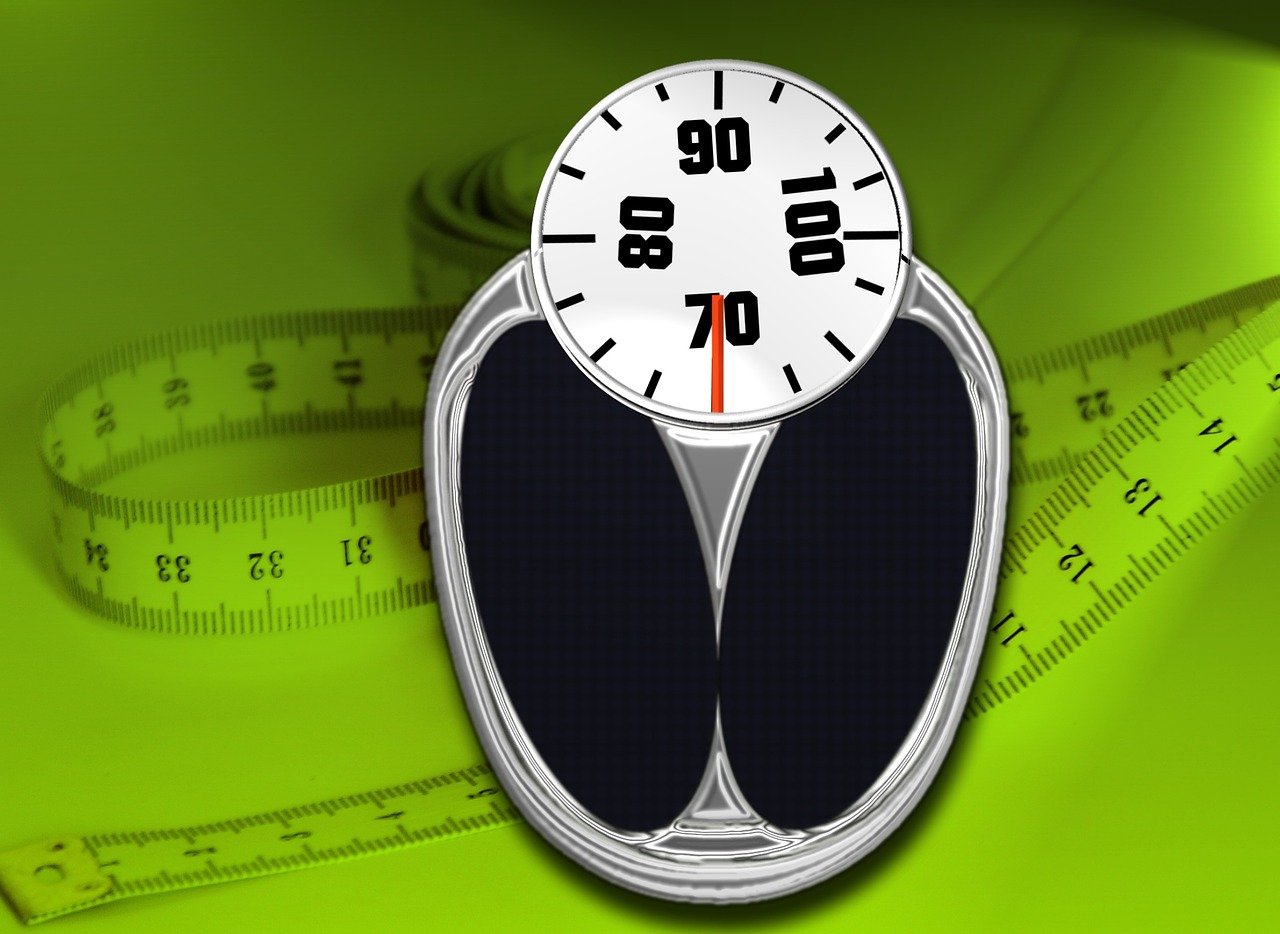
Before you let that frustration lead you to the kitchen for a “revenge snack,” we need to have a serious talk. The scale is a blunt, often deceptive instrument. It measures your relationship with gravity, not your progress as a human being. More importantly, it is incapable of distinguishing between a gram of fat and a glass of water.
Here at Best Ever Weight Loss Tips, we want to move you away from “Scale Obsession” and toward “Data-Driven Success.” Here is the science of why the scale lies and how to actually measure the fat leaving your body.
1. The “Total Weight” Fallacy
Your “weight” is simply the total sum of everything inside your skin at a specific moment in time. This includes:
- Bones and Organs
- Muscle Tissue
- Blood and Lymphatic Fluid
- Glycogen (stored energy in your muscles)
- Undigested Food and Fiber
- And, finally, Body Fat.
Notice that body fat is only one item on that list. When you lose 2kg, the scale doesn’t give you a breakdown. It doesn’t say, “Great job, you lost 1.5kg of pure adipose tissue!” It just gives you a total. If you are exercising and eating better, you are likely recomposing your body – gaining dense, metabolically active muscle while dropping fluffy fat. Because muscle is significantly denser than fat (it takes up less space), you can physically shrink in size while the scale remains stubbornly still.
2. The Three Secret “Scale Saboteurs”
If you’ve ever gained weight overnight despite eating perfectly, one of these three biological triggers is likely the culprit:
A. The Carb-Water Connection
Did you have a slightly higher-carb dinner last night? Maybe some extra rice or a piece of fruit? For every gram of carbohydrate (glycogen) your body stores in your muscles for energy, it must store about 3 to 4 grams of water to go with it. This isn’t fat. It’s fuel. But that extra water shows up on the scale as “weight gain.” This is exactly why people on Keto lose weight so fast in the first week – they aren’t losing fat that quickly; they are simply “drying out” their glycogen stores.
B. The “Repair” Fluid
Have you started a new workout routine? When you challenge your muscles, you create microscopic tears in the tissue. This is a good thing! It’s how you get stronger. However, your body’s natural response is to send fluid and white blood cells to the area to repair the damage. This localized inflammation is essentially “repair water.” If your muscles are sore, the scale will almost certainly be higher.
C. The Salt Trap
Sodium is like a sponge. If you had a meal with a bit more salt than usual, your body will hold onto every drop of water it can to maintain its delicate electrolyte balance. A single salty meal can easily cause a 1kg to 2kg “spike” that can take 48 to 72 hours to flush out.
3. Better Ways to Measure “Real” Progress
If we can’t trust the scale, who can we trust? We recommend using the “Rule of Three.” Pick three of the following metrics and ignore the scale for 30 days.
- The “Jeans” Metric: Your clothes are the most honest critics you have. Fabric doesn’t care about water retention. If your belt is one notch tighter or your favourite jeans aren’t “pinching” at the waist anymore, you are losing fat. Don’t use your track pants as a measure – you need a non-elastic fabric to feel the fit.
- Progress Photos (The Anonymous Way): We see ourselves every day, so we miss the subtle changes. Take a photo in the same spot, with the same lighting, once a week. (This isn’t to be Insta-famous – just visual feedback for you). When you see the change in your jawline or the way your top hangs off your shoulders, the scale’s opinion won’t matter anymore.
- The Tape Measure: This is the gold standard for anonymous tracking. Track your waist (at the belly button) and your hips. If your waist measurement is going down, your health risk is decreasing and fat is leaving the building – regardless of what the scale says.
- Non-Scale Victories (NSVs): Are you sleeping through the night? Can you climb the stairs without getting winded? Is your “brain fog” lifting? These are signs of a healing metabolism. Notice the differences. Daily journals help here.
The BEWLT Verdict: Trend Over Tension
If you must weigh yourself, do it daily, but never look at a single day’s number.
Take the average of the 7 days. That weekly average is the only number that matters because it “smooths out” the spikes from salt, stress, and water.
The scale is a tool, not a judge. It’s time to stop letting a metal box in your bathroom decide if you’re allowed to have a good day. Now, go pick the measures you’ll use regularly and note them down. Check them again next week. Monitor. Aim for progress.