
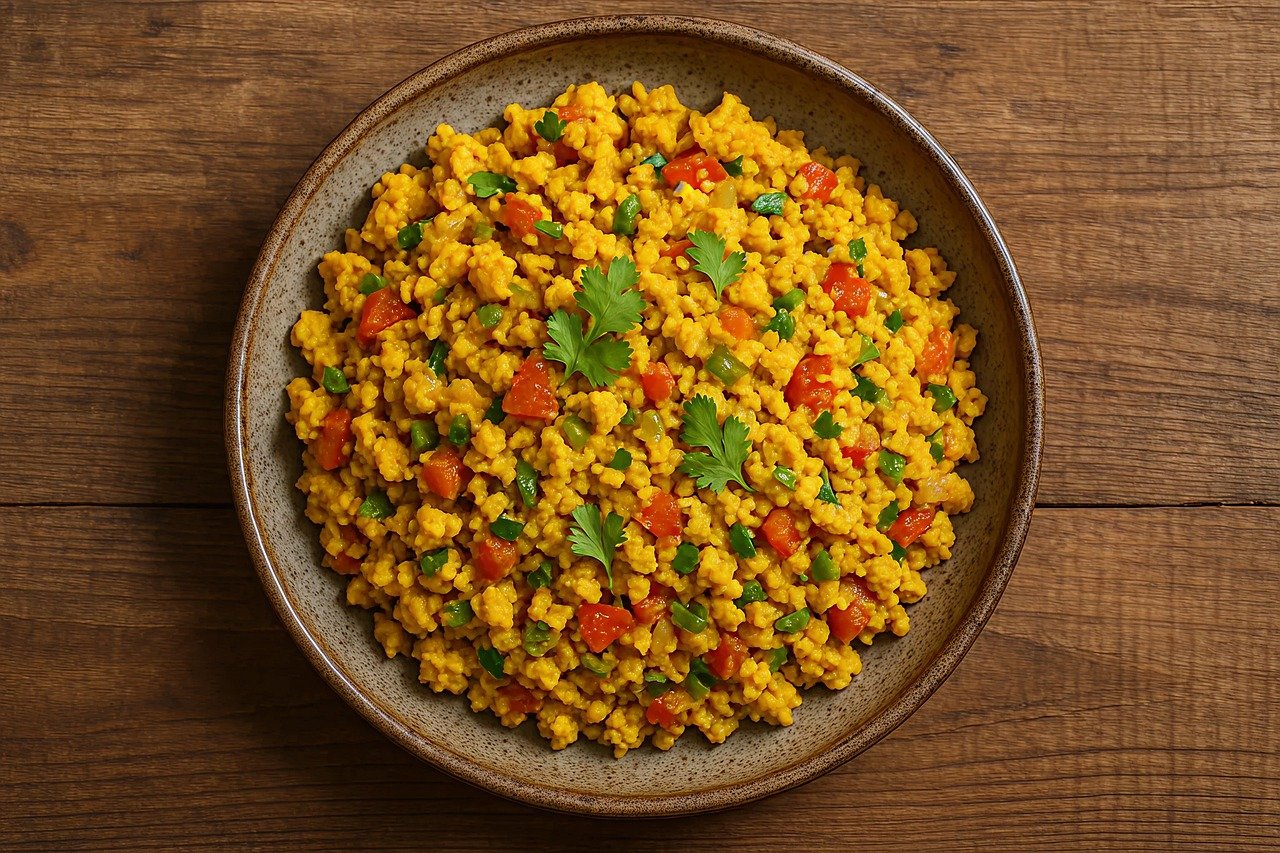
What You Actually Need to Know About Plant Protein, Amino Acids & Meeting Your Daily Goals
besteverweightlosstips.com • 12 min read • Nutrition Science
“But where do you get your protein?” It is, without question, the most common challenge thrown at anyone who dares to eat a plant-based diet. At dinner tables, in gyms, at doctor’s offices — the protein question follows plant-based eaters everywhere.
Here’s the thing: it’s not an unreasonable question. Protein is essential for life. It builds and repairs muscle, produces hormones and enzymes, supports your immune system, and keeps you feeling full between meals. If you’re cutting out the most culturally familiar protein sources — meat, fish, eggs, dairy — it makes sense to wonder whether you’re covered.
But the concern, for most people in developed countries eating a varied plant-based diet, is largely unfounded. The science is clear: you can get all the protein you need from plants. The question isn’t whether it’s possible — millions of healthy, thriving plant-based eaters prove it daily — it’s a matter of knowing which foods to eat, how much, and how to combine them intelligently.
This article cuts through the noise. We’ll bust the most persistent protein myths, explain the science of amino acids in plain English, reveal the best plant protein sources, and give you a practical framework to hit your protein targets — every single day.
Why Protein Matters — Especially for Weight Loss
Before diving into plant sources, it’s worth understanding why protein deserves such attention — particularly when your goal is losing weight and keeping it off.
Protein and Satiety
Of all the macronutrients — protein, fat, and carbohydrates — protein is by far the most satiating. It triggers the release of fullness hormones including peptide YY and GLP-1, while suppressing ghrelin, the hunger hormone. Studies consistently show that higher protein intake leads to reduced overall calorie consumption, making it one of the most powerful passive weight-loss tools available.
Protein and Muscle Preservation
When you’re in a calorie deficit for weight loss, your body doesn’t just burn fat — it will also break down muscle tissue for energy if protein intake is too low. Adequate protein intake, combined with some form of resistance exercise, preserves lean muscle mass during weight loss. This matters enormously because muscle is metabolically active tissue: the more you have, the higher your resting metabolic rate.
The Thermic Effect of Food
Protein has the highest thermic effect of any macronutrient — your body burns approximately 20–30% of protein calories simply digesting and processing it, compared to 5–10% for carbs and 0–3% for fat. A high-protein diet therefore has a built-in metabolic advantage that supports fat loss.
KEY FACT … Research published in the American Journal of Clinical Nutrition found that increasing protein intake to 30% of total calories caused participants to automatically eat around 450 fewer calories per day — without any deliberate restriction.
How Much Protein Do You Actually Need?
This is where a lot of confusion begins, because the answer depends on your body, your goals, and your activity level. Let’s look at the evidence-based targets:
| Goal / Situation | Protein Target | Example: 70kg Person |
| Sedentary adult (minimum health) | 0.8g per kg body weight | ~56g/day |
| Active adult / general fitness | 1.2–1.6g per kg body weight | 84–112g/day |
| Weight loss (preserve muscle) | 1.6–2.0g per kg body weight | 112–140g/day |
| Building muscle / strength training | 1.8–2.2g per kg body weight | 126–154g/day |
| Older adults (50+) | 1.2–1.6g per kg body weight | 84–112g/day |
For most plant-based eaters pursuing weight loss, a target of 1.6–2.0 grams of protein per kilogram of body weight per day is the sweet spot. This is entirely achievable with plants — and the rest of this guide shows you exactly how.
Busting the Biggest Plant Protein Myths
Misinformation about plant protein is rife. Here are the most persistent myths — and what the science actually says:
| ❌ The Myth | ✔ The Fact |
| Plant proteins are “incomplete” and won’t build muscle | All essential amino acids are available from plants. Variety across the day covers every amino acid need. |
| You must combine proteins at every meal | Your body pools amino acids throughout the day. Eating varied plant foods across meals is all that’s required. |
| You need meat to get enough protein | Lentils, tofu, tempeh, and edamame rival meat gram-for-gram in protein content. |
| Plant protein is poorly absorbed | Digestibility varies by food. Processing (cooking, soaking) dramatically improves absorption of plant proteins. |
| Athletes can’t perform on plant protein | Elite athletes including ultramarathoners, Olympic weightlifters, and professional footballers thrive on plant-based diets. |
Complete vs. Incomplete Proteins: What It Actually Means
You’ve almost certainly heard the terms “complete” and “incomplete” protein. Here’s what they actually mean — and why the distinction matters far less than most people think.
Proteins are made up of 20 amino acids. Nine of these are essential — meaning your body cannot produce them and must get them from food. A protein source is called “complete” if it contains all nine essential amino acids in adequate amounts.
Most animal proteins are complete. Many plant proteins are technically “incomplete” — meaning they’re low in one or more essential amino acids. But this does notmean they’re useless or insufficient. Here’s why:
- Different plants are low in different amino acids
Grains tend to be low in lysine but high in methionine. Legumes are high in lysine but lower in methionine. Eating both across the day — which happens naturally in any varied diet — gives you the full spectrum.
- Your body maintains an amino acid pool
The liver stores and releases amino acids continuously. It doesn’t demand that every meal be perfectly balanced — it draws from a running pool built up across your day’s eating.
- Several plant foods are naturally complete
Quinoa, soy (tofu, tempeh, edamame), amaranth, buckwheat, hemp seeds, and nutritional yeast all contain all nine essential amino acids in sufficient quantities.
THE BOTTOM LINE
Stop worrying about protein combining at individual meals. Focus instead on eating a wide variety of whole plant foods throughout the day — legumes, grains, nuts, seeds, and vegetables — and your amino acid needs will take care of themselves.
The Best Plant-Based Protein Sources: A Complete Guide
Here are the powerhouse plant proteins you should be building every meal around — ranked by protein density and overall nutritional value:
Tier 1 — The Protein Powerhouses (15–20g+ per serving)
| Food | Serving | Protein | Why It’s Great |
| Tempeh | 100g | 19g | Fermented soy — complete protein, great gut health benefits |
| Firm Tofu | 150g | 18g | Versatile, absorbs any flavour, complete protein |
| Edamame (shelled) | 1 cup | 17g | Complete protein, rich in fibre and folate |
| Lentils (cooked) | 1 cup | 18g | Cheap, filling, high in iron and folate |
| Black beans (cooked) | 1 cup | 15g | High fibre, supports gut health |
| Chickpeas (cooked) | 1 cup | 15g | Incredibly versatile — roast, blend, stew |
| Seitan (wheat gluten) | 100g | 25g | Highest protein of any plant food by weight |
Tier 2 — Solid Protein Contributors (7–14g per serving)
| Food | Serving | Protein | Bonus Nutrients |
| Quinoa (cooked) | 1 cup | 8g | Complete protein, all 9 essential amino acids |
| Hemp seeds | 3 tbsp | 10g | Complete protein, rich in omega-3 fatty acids |
| Green peas | 1 cup | 9g | Also high in vitamin C and fibre |
| Pumpkin seeds | 30g | 9g | Excellent zinc and magnesium source |
| Almond butter | 2 tbsp | 7g | Healthy fats + vitamin E |
| Nutritional yeast | 2 tbsp | 8g | Complete protein + natural B vitamins |
| Buckwheat (cooked) | 1 cup | 6g | Complete protein, gluten-free grain |
| Chia seeds | 2 tbsp | 5g | Omega-3s, calcium, antioxidants |
Don’t overlook everyday vegetables either. Broccoli, spinach, asparagus, Brussels sprouts, and sweetcorn all contribute meaningful amounts of protein — not enough to anchor a meal on their own, but they add up meaningfully across a day’s eating.
What a High-Protein Plant-Based Day Looks Like
Theory is one thing. Practicality is another. Here’s a realistic, delicious plant-based day designed to hit around 120 grams of protein — suitable for an active 70–80kg adult focused on weight loss or muscle maintenance:
| Meal | What You Eat | Protein | Calories (approx) |
| Breakfast | Overnight oats (80g oats) with 2 tbsp hemp seeds, 1 scoop plant protein powder, almond milk & berries | 32g | 480 kcal |
| Mid-Morning | 200g firm tofu scramble with spinach, turmeric & whole grain toast (2 slices) | 26g | 380 kcal |
| Lunch | Large lentil and roasted vegetable bowl with 1 cup cooked lentils, quinoa, tahini dressing | 28g | 520 kcal |
| Snack | 30g pumpkin seeds + 1 apple + 2 tbsp nutritional yeast on whole grain crackers | 14g | 280 kcal |
| Dinner | Tempeh stir-fry (150g tempeh) with broccoli, snap peas, edamame in teriyaki over brown rice | 38g | 580 kcal |
| Total | 138g | ~2,240 kcal |
This isn’t a restrictive or difficult day of eating — it’s genuinely satisfying, varied, and full of flavour. And it handily exceeds the protein needs of most active adults.
What About Bioavailability? Does It Matter?
Plant protein critics often point to bioavailability — the proportion of protein your body actually absorbs and uses — as a weakness. It’s a fair point worth addressing.
Animal proteins generally score higher on the DIAAS (Digestible Indispensable Amino Acid Score) than raw plant proteins. However, this gap narrows considerably — sometimes disappears entirely — when you account for:
- Cooking and processing
Heat breaks down the cell walls and antinutrients in plants that inhibit protein absorption. Cooked lentils, for example, are digested far more efficiently than raw lentils.
- Soaking and fermenting
Soaking legumes before cooking reduces phytates and tannins that bind to protein. Fermented foods like tempeh have among the highest bioavailability of any plant protein.
- Dietary variety
When you eat a wide range of plant proteins, the small amino acid gaps in each food are naturally covered by others. The overall amino acid profile across a full day of plant eating rivals that of a meat-based diet.
- Higher intake
Plant-based eaters can simply eat slightly more protein to compensate for any modest difference in bioavailability — whole plant foods are so low in calorie density that this is easily achieved without overconsumption.
The practical takeaway? Eat a variety of cooked, whole plant proteins, aim for the higher end of protein recommendations, and bioavailability becomes a theoretical concern rather than a real-world problem.
Should You Use Plant Protein Supplements?
The short answer: you don’t need to — but they can be a useful convenience tool in certain situations.
Whole food plant proteins should always form the foundation of your diet. Supplements are exactly that — supplements to a solid nutritional base, not replacements for it. That said, a plant-based protein powder can be genuinely helpful if:
- You’re very active and struggle to hit high protein targets through food alone
- You’re in a significant calorie deficit and need protein without extra calories
- You have a busy lifestyle and need quick, convenient post-workout nutrition
- You’re transitioning to plant-based eating and still finding your protein rhythm
Best Plant Protein Powder Options
- Pea protein: Excellent amino acid profile (especially high in BCAAs), very digestible, mild flavour. Currently the gold standard in plant protein powders.
- Brown rice protein: Good digestibility, slightly lower in lysine — best combined with pea protein to get the full spectrum.
- Pea + rice blend: The combination most closely mirrors whey protein’s amino acid profile. Our top recommendation for overall performance.
- Hemp protein: Complete protein with omega-3 fatty acids, but lower total protein per serving. Great as part of a blend.
- Soy protein isolate: Complete protein with excellent bioavailability. Highly effective but some people prefer to avoid highly processed soy products.
When choosing a plant protein powder: look for minimal ingredients, no artificial sweeteners, third-party testing certification, and at least 20g of protein per serving. Avoid proprietary blends that hide individual ingredient amounts.
8 Practical Strategies to Hit Your Protein Targets Every Day
- Anchor every meal with a legume or soy food: Lentils, chickpeas, black beans, tofu, tempeh, or edamame should be the centrepiece of every main meal — not an afterthought.
- Batch cook legumes weekly: Cook a large pot of lentils and a pot of chickpeas on Sunday. They last 4–5 days in the fridge and become effortless add-ins to salads, soups, and grain bowls all week.
- Add seeds to everything: Hemp seeds in your smoothie, pumpkin seeds on your salad, chia seeds in your overnight oats — each addition adds 5–10g of protein with almost no effort.
- Use nutritional yeast generously: Sprinkle it on pasta, stir it into sauces, mix it into dressings. Two tablespoons adds 8g of complete protein and a wonderful savoury, cheese-like depth of flavour.
- Choose higher-protein grains: Swap white rice for quinoa, farro, or barley. These grains contribute meaningfully more protein per serving and have better nutritional profiles overall.
- Track for 2–3 weeks initially: Use Cronometer (the most accurate free tool for micronutrients) to track your intake until you develop an intuitive sense of where your protein is coming from. You don’t need to track forever.
- Make protein-rich snacks standard: Hummus with vegetables, roasted edamame, a handful of mixed nuts, or a small serving of tofu with tamari are all protein-forward snacks that keep you full between meals.
- Consider a morning protein habit: Starting the day with a high-protein breakfast — tofu scramble, overnight oats with hemp seeds, or a smoothie with protein powder and nut butter — sets a strong protein baseline before the day gets busy.
Plant Protein vs. Animal Protein: An Honest Comparison
In the interest of giving you the full picture, here is an evidence-based, balanced comparison of plant and animal protein sources:
| Factor | Plant Protein | Animal Protein |
| Complete amino acids | Some foods (quinoa, soy, hemp), or achieved via variety | Most sources are naturally complete |
| Bioavailability | Moderate — improved by cooking, soaking & variety | Generally high |
| Fibre content | High — supports gut health & satiety | Zero |
| Saturated fat | Very low in whole food sources | Often high, especially red meat |
| Cholesterol | None | Present in all animal foods |
| Environmental impact | Significantly lower carbon footprint | High, especially red meat & dairy |
| Cost | Typically much lower (lentils, beans, tofu) | Variable; quality meat is expensive |
| Chronic disease risk | Associated with lower rates of heart disease, T2 diabetes | High red/processed meat linked to increased risk |
| Longevity research | Plant-heavy diets associated with longer lifespan | Mixed — fish positive, processed meat negative |
The evidence is clear: while animal proteins have some technical advantages in amino acid completeness and bioavailability, plant proteins come with a suite of additional health benefits — fibre, phytonutrients, lower saturated fat, and strong associations with reduced chronic disease risk — that make them the superior long-term choice for the majority of people.
The Verdict: Plant Protein Is More Than Enough
The protein question, when properly examined, largely answers itself. Plants contain protein. Many plant foods are very high in protein. A varied plant-based diet easily provides all nine essential amino acids. Bioavailability gaps are real but manageable. Additional health benefits – fibre, antioxidants, phytonutrients, lower saturated fat – come packaged with plant protein and are simply not available from animal sources.
The next time someone asks where you get your protein, you’ll know the answer isn’t a short one — but the bottom line absolutely is: from legumes, grains, nuts, seeds, tofu, tempeh, and every other magnificent plant food that makes this way of eating so extraordinarily nourishing.
Build your meals around the protein powerhouses in this guide. Eat variety. Cook your legumes. Don’t overthink amino acid combining. And if you want an extra boost, a quality pea-rice protein blend has you covered. It really is that simple.
1 thought on “Protein on a Plant-Based Diet: The Facts”