
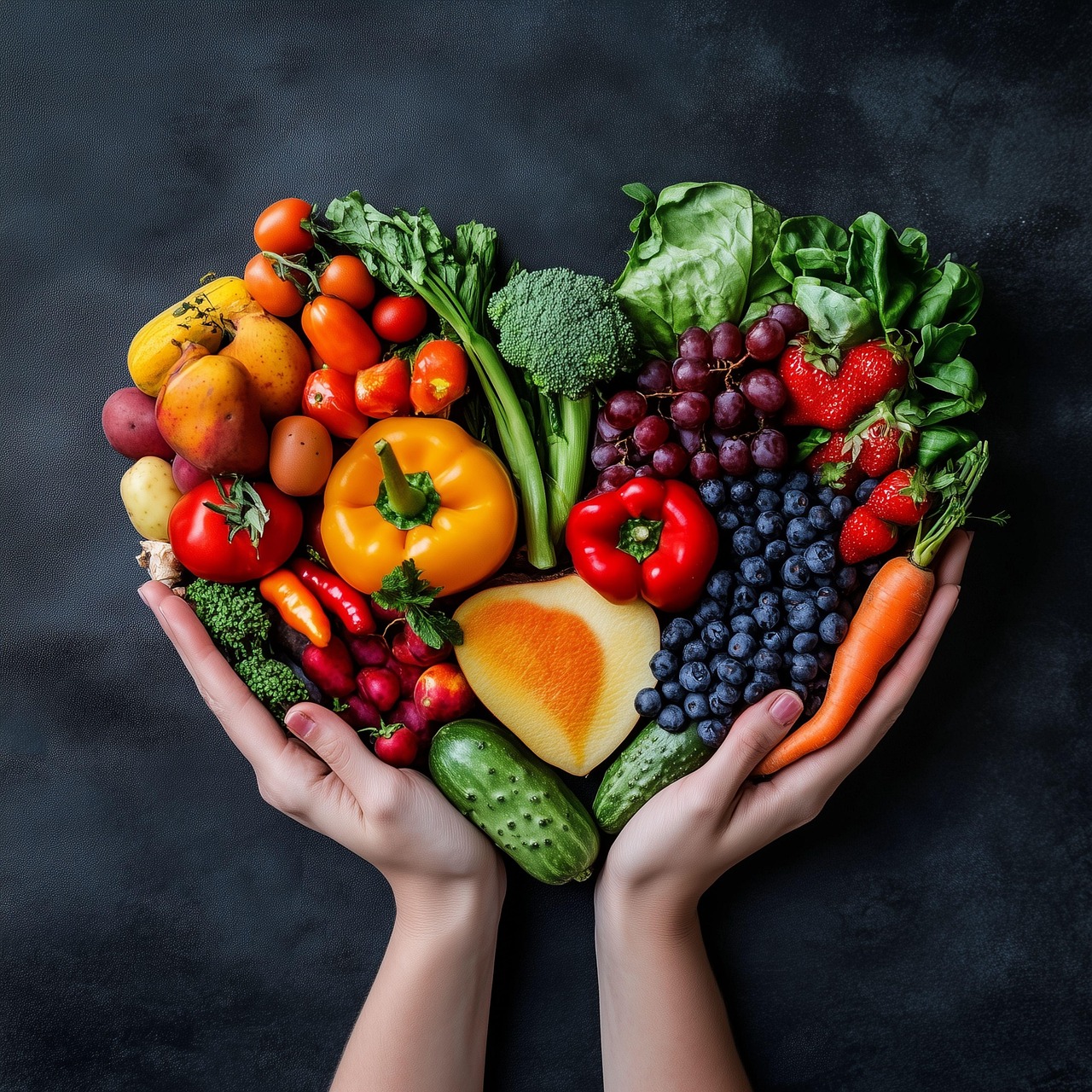
The idea of “going plant-based” can feel overwhelming. Images of bland salads and endless meal prep often deter people before they even begin. What if we told you that adopting a whole-food plant-based (WFPB) diet is one of the most effective and sustainable strategies for not only weight loss, but also for dramatically improving your long-term health?
At Best Ever Weight Loss Tips, we’ve analyzed the science behind various dietary approaches, and the WFPB diet consistently emerges as a powerful tool for achieving a healthy weight without extreme hunger or calorie restriction. It’s not just about removing meat; it’s about adding an abundance of nutrient-dense, fiber-rich foods that naturally support fat loss.
This guide will demystify the process, providing a step-by-step roadmap to start your plant-based journey for sustainable weight loss, even if you’ve never cooked a lentil in your life.
1. Understanding the “Why”: The Science of Plant-Based Weight Loss
Before diving into what to eat, let’s understand why a WFPB diet works so effectively for shedding excess weight:
- Calorie Density vs. Nutrient Density: Plant-based foods are generally less calorie-dense but more nutrient-dense. This means you can eat a larger volume of food (filling your stomach and satisfying hunger signals) while consuming fewer calories overall. Think about it: a huge bowl of spinach and beans versus a small piece of cheese.
- The Power of Fiber: Plants are packed with fiber, which is crucial for weight loss. Fiber creates bulk in your digestive system, promoting satiety and slowing down digestion. It also feeds your beneficial gut bacteria, leading to a healthier microbiome that can influence metabolism and even mood. Most modern diets are severely lacking in fiber, which is a key reason for persistent hunger.
- Reduced Inflammatory Foods: A WFPB diet naturally minimizes processed foods, saturated fats, and cholesterol—components often associated with inflammation and insulin resistance, both of which can hinder weight loss.
- Sustainable Satiety: Because you’re eating foods rich in water and fiber, you feel fuller for longer. This natural satiety makes sticking to a calorie deficit much easier than on restrictive diets that leave you constantly hungry.
2. What Exactly is “Whole-Food Plant-Based”?
It’s crucial to distinguish WFPB from simply “vegan.” (Wish I’d known this when I kept hearing “Are you going to be one of THOSE?”.
- Vegan: Avoids all animal products (meat, dairy, eggs, honey). A vegan diet can be healthy, but it can also include processed vegan junk food (e.g., vegan ice cream, highly processed meat substitutes).
- Whole-Food Plant-Based (WFPB): Focuses on unprocessed plant foods. This means emphasizing:
- Fruits: All kinds! Berries, apples, bananas, oranges, etc.
- Vegetables: Leafy greens, cruciferous veggies, root vegetables, peppers, tomatoes, etc.
- Legumes: Beans, lentils, chickpeas, peas (excellent protein sources!).
- Whole Grains: Brown rice, quinoa, oats, whole wheat pasta, barley.
- Nuts and Seeds: In moderation (due to higher calorie density), for healthy fats and nutrients.
- Small Amounts of Healthy Fats: Avocado, olives, and their oils.
What to minimize/avoid: Meat, poultry, fish, dairy products, eggs, processed oils, refined grains (white bread, white pasta), refined sugars, and highly processed vegan junk foods.
3. Your Step-by-Step Transition Plan (No Need to Go Cold Turkey!)
You don’t have to overhaul your entire diet overnight. A gradual approach is often more sustainable.
Step 1: Focus on Addition, Not Just Subtraction (Week 1)
- Add a Huge Salad Daily: Make a large salad (or steamed veggies) the centerpiece of at least one meal. Fill it with diverse greens, colorful vegetables, and a light, oil-free dressing.
- “Breakfast Swap”: Trade your usual breakfast for oats with berries, nuts, and plant milk, or a green smoothie.
- “Lunch Boost”: Add a can of chickpeas or lentils to your usual lunch.
- Hydrate: Drink more water. It helps with satiety and flushes toxins.
Step 2: Embrace the “Power Players” (Weeks 2-3)
This is where you start building your core plant-based pantry.
- Legumes are Your Best Friend: Learn to love beans and lentils. They are cheap, versatile, and incredibly filling. Start with canned varieties for convenience, then experiment with dried beans.
- Whole Grains for Energy: Introduce quinoa, brown rice, and whole wheat pasta. These provide sustained energy and fiber.
- Discover Plant Proteins: Explore tofu, tempeh, and edamame. They absorb flavors wonderfully and are excellent sources of protein.
- The “One Meal Rule”: Commit to making one meal per day entirely plant-based. Dinner is often easiest for this.
Step 3: Gradually Phase Out Animal Products (Weeks 4-6)
Once you feel comfortable with the abundance of plant foods, you can start reducing animal products.
- “Meatless Mondays” (or any day): Dedicate specific days to being entirely plant-based.
- Reduce Portion Sizes: If you still eat meat, significantly reduce the portion size and load up on vegetables and grains instead.
- Dairy Swaps: Experiment with unsweetened plant milks (almond, soy, oat), plant-based yogurts, and nutritional yeast (a cheesy-flavored seasoning).
- Eggs: Many people find it easiest to reduce eggs gradually. Consider a “tofu scramble” as an alternative breakfast.
Step 4: Optimize for Micronutrients (Ongoing)
As you progress, ensure you’re getting all essential nutrients.
- Vitamin B12: This is the only supplement universally recommended for plant-based diets. It’s not naturally found in plants.
- Iron & Zinc: Ensure good sources like lentils, dark leafy greens, pumpkin seeds, and fortified cereals. Pair iron-rich foods with Vitamin C (e.g., spinach with bell peppers) to enhance absorption.
- Calcium: Fortified plant milks, tofu, kale, and broccoli are great sources.
- Omega-3s: Flaxseeds, chia seeds, and walnuts are excellent plant-based sources.
4. Navigating Common Challenges & Questions
- “Where do I get my protein?” This is the most common question! Plants are full of protein. Legumes, tofu, tempeh, quinoa, nuts, and seeds are all excellent sources. If you’re eating enough calories, you’re almost certainly getting enough protein.
- “I’m always hungry!” This usually means you’re not eating enough fiber or calorie-dense plant foods. Load up on beans, lentils, whole grains, and starchy vegetables like potatoes and sweet potatoes.
- “It’s too expensive!” Not true! Focus on staples: dried beans, lentils, rice, seasonal vegetables, and frozen fruits/vegetables. These are often cheaper than meat and dairy.
- “What about eating out?” Most restaurants now offer plant-based options. Look for grain bowls, bean burritos, veggie stir-fries, or ask for modifications (e.g., “hold the cheese,” “oil on the side”).
The BEWLT Verdict: Fuel Your Body, Not Just Fill It
Starting a whole-food plant-based diet for weight loss is a journey of discovery. It’s about eating until you’re satisfied, feeling energised, and nourishing your body at a cellular level. You might be surprised at how quickly you adapt, how much you enjoy the food, and how effortlessly the weight begins to come off. Focus on adding variety and abundance, and your body will thank you.
Ready to transform your meals?
Get your copy of our no-nonsense, simple 7 Day Plant-Based guide. Complete with shopping list, prep notes and a meal plan to step you into this effective and enjoyable way of eating for weight loss and good health.
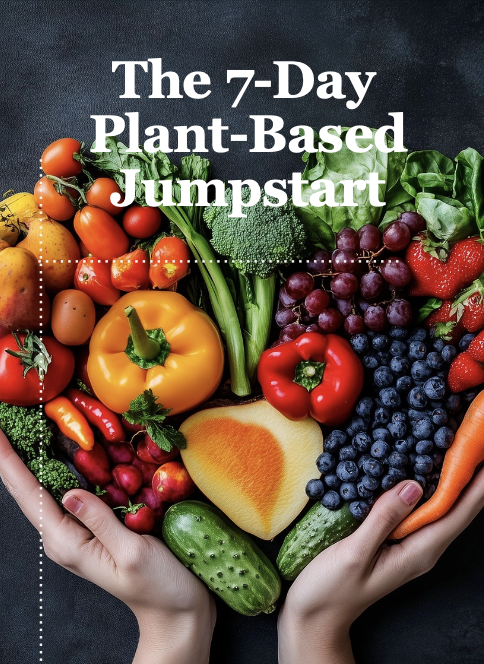
Download the BEWLT Meal Prep Guide PDF