
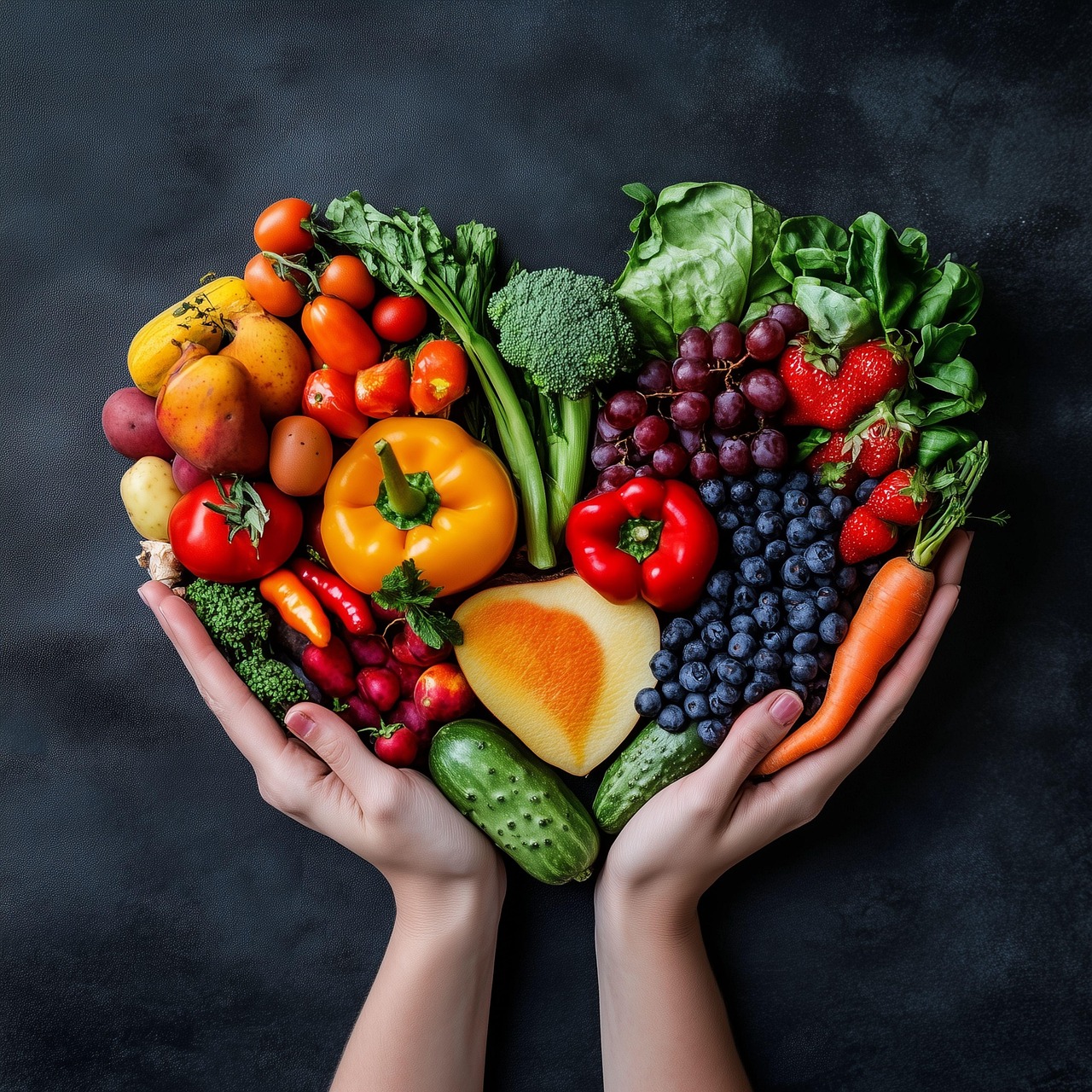
The Complete Beginner’s Guide to Eating Plants for Weight Loss & Lifelong Health
besteverweightlosstips.com • 15 min read • Diet Strategies
What if the most powerful weight-loss tool you’ve ever tried wasn’t a pill, a supplement, or a fad diet but simply a plate full of plants?
A plant-based diet is one of the most research-backed, sustainable, and effective approaches to weight loss and long-term health on the planet. Study after study links it to lower body weight, reduced risk of heart disease, better blood sugar control, and even longer life expectancy. And unlike many diets, it doesn’t require calorie counting, macro tracking, or giving up food you love — it simply asks you to shift what you put at the centre of your plate.
But if you’ve spent most of your life eating meat, dairy, and processed foods, the idea of going plant-based can feel overwhelming. Where do you start? What do you eat? How do you get enough protein? Will you actually feel full?
This complete beginner’s guide answers every one of those questions. By the end, you’ll know exactly how to start a plant-based diet for weight loss — step by step, meal by meal, with zero guesswork.
What Is a Plant-Based Diet?
A plant-based diet is an eating pattern that centres on foods derived from plants — vegetables, fruits, whole grains, legumes, nuts, and seeds — while minimising or eliminating animal products such as meat, dairy, and eggs.
It’s important to note that “plant-based” exists on a spectrum. The most common approaches include:
| Approach | What’s Included | What’s Limited/Excluded |
| Whole Food Plant-Based (WFPB) | All whole plants, minimal processing | All animal products & processed foods |
| Vegan | All plants, including processed vegan foods | All animal products |
| Vegetarian | Plants + eggs + dairy | Meat, poultry, seafood |
| Flexitarian | Mostly plants, occasional meat | Processed foods; heavy meat consumption |
For weight loss purposes, the Whole Food Plant-Based (WFPB) approach delivers the best results — it’s the version backed most strongly by scientific research and the one this guide is built around.
Why a Plant-Based Diet Works for Weight Loss
Before we talk about how to start, it helps to understand why this works — because the science is genuinely compelling.
1. Lower Calorie Density
Whole plant foods contain far fewer calories per gram than animal products and processed foods. A cup of leafy greens contains around 10 calories. A cup of cooked lentils has about 230 calories with 18 grams of protein and 16 grams of fibre. You can eat a genuinely enormous volume of food and still consume fewer calories than a typical Western diet — without ever feeling hungry.
2. High Fibre Content Keeps You Full
Plants are packed with dietary fibre — something almost entirely absent from animal products. Fibre slows digestion, stabilises blood sugar, feeds beneficial gut bacteria, and produces hormones that signal fullness to your brain. Most people on plant-based diets report feeling satisfied on significantly fewer calories, simply because fibre keeps them full for longer.
3. Improved Insulin Sensitivity
High-fibre, low-glycaemic plant foods cause gentle, steady rises in blood sugar rather than sharp spikes. Over time, this improves insulin sensitivity — meaning your body becomes more efficient at managing glucose, stores less as fat, and experiences fewer energy crashes and cravings.
4. Gut Microbiome Benefits
A diverse, plant-rich diet feeds a thriving gut microbiome. Emerging research connects a healthy microbiome to better metabolism, reduced inflammation, improved mood, and — critically — easier weight management. A 2019 study published in Cellfound that the composition of gut bacteria was one of the most accurate predictors of how individuals responded to different foods and whether they gained or lost weight.
Research published in the Journal of General Internal Medicine found that people on plant-based diets lost significantly more weight than those on conventional diets — even when neither group was calorie-restricting.
What to Eat on a Plant-Based Diet
Here’s the good news: the plant-based food list is vast, varied, and genuinely delicious. You have far more to choose from than most people realise.
The Core Food Groups
- Vegetables (eat abundantly)
Leafy greens (spinach, kale, Swiss chard, rocket), broccoli, cauliflower, zucchini, capsicum, cucumber, tomatoes, mushrooms, beetroot, carrots, and any other vegetable you enjoy. Aim to fill at least half your plate at every meal.
- Fruits
Berries, apples, pears, bananas, mangoes, citrus fruits, kiwi. While fruit contains natural sugar, the fibre content moderates blood sugar impact significantly.
- Whole Grains
Brown rice, oats, quinoa, barley, farro, whole grain bread and pasta, buckwheat, millet. These provide sustained energy and important B vitamins.
- Legumes (your plant-based protein powerhouses)
Lentils, chickpeas, black beans, kidney beans, cannellini beans, edamame, split peas. These are the cornerstone of plant-based eating — cheap, filling, protein-rich, and incredibly versatile.
- Nuts & Seeds
Almonds, walnuts, cashews, pistachios, chia seeds, flaxseeds, hemp seeds, pumpkin seeds, sunflower seeds. Rich in healthy fats, protein, and micronutrients.
- Plant Proteins
Tofu, tempeh, seitan (wheat gluten), edamame. Excellent whole-food sources of protein that take on any flavour you cook them with.
- Healthy Fats
Avocado, olive oil, tahini, nut butters. These support hormone production, vitamin absorption, and satiety.
Foods to Minimise or Avoid
On a whole food plant-based diet for weight loss, the following foods should be limited or eliminated:
- Meat, poultry, and seafood
- Dairy products (milk, cheese, butter, yoghurt) — swap for plant-based alternatives
- Eggs
- Highly processed vegan junk foods (vegan chips, cookies, packaged meat substitutes)
- Refined grains: white bread, white rice, white pasta
- Added oils in excess — especially for weight loss, try cooking with water or broth instead
- Sugary drinks, fruit juices, and energy drinks
- Processed sugar and sweeteners
Important: ‘Vegan’ doesn’t automatically mean healthy. Oreos are technically vegan. Vegan fast food is still fast food. The goal is whole, minimally processed plants – not just removing animal products.
The Protein Question: Will You Get Enough?
“But where do you get your protein?” — it’s the question every plant-based eater hears constantly. The honest answer: it’s much easier than most people think, and the concern is largely overblown.
The average adult needs approximately 0.8 grams of protein per kilogram of body weight per day (or more if you’re very active or building muscle). A well-planned plant-based diet easily meets this through a variety of whole food sources:
| Plant Protein Source | Serving Size | Protein (approx.) |
| Lentils (cooked) | 1 cup | 18g |
| Tempeh | 100g | 19g |
| Firm Tofu | 100g | 17g |
| Black beans (cooked) | 1 cup | 15g |
| Edamame | 1 cup | 17g |
| Hemp seeds | 3 tbsp | 10g |
| Quinoa (cooked) | 1 cup | 8g |
| Chickpeas (cooked) | 1 cup | 15g |
| Almond butter | 2 tbsp | 7g |
| Green peas | 1 cup | 9g |
The key is variety — eating a wide range of plant protein sources throughout the day ensures you receive all essential amino acids. You don’t need to obsessively combine proteins at every meal; your body pools amino acids from food eaten across the day.
Key Nutrients to Watch on a Plant-Based Diet
A well-planned plant-based diet is nutritionally complete — but there are a handful of nutrients that require conscious attention, particularly for those new to this way of eating.
Vitamin B12
The one nutrient not reliably available from plant foods. Supplement with 250–500mcg daily — this is non-negotiable on a fully plant-based diet.
Best sources: Fortified plant milks, nutritional yeast (limited), B12 supplement
Iron
Plant-based (non-haem) iron is less readily absorbed than animal iron. Boost absorption by eating iron-rich foods alongside vitamin C.
Best sources: Lentils, spinach, tofu, pumpkin seeds, fortified cereals
Omega-3 Fatty Acids
ALA from plants is converted to EPA/DHA less efficiently. Consider an algae-based omega-3 supplement.
Best sources: Flaxseeds, chia seeds, walnuts, hemp seeds, algae oil
Calcium
Dairy is not the only source — many plants provide excellent calcium.
Best sources: Kale, broccoli, fortified plant milk, tofu, almonds, figs
Zinc
Found in plant foods but absorption is slightly lower due to phytates. Soaking legumes and nuts improves bioavailability.
Best sources: Legumes, pumpkin seeds, hemp seeds, cashews, oats
Iodine
Often lacking in plant-based diets unless using iodised salt or supplements.
Best sources: Iodised salt, seaweed (in moderation), iodine supplement
Vitamin D
Deficiency is common regardless of diet. Sunlight + supplementation is recommended.
Best sources: Sunshine, fortified foods, Vitamin D3 supplement (from lichen for vegans)
How to Start a Plant-Based Diet: Step by Step
The biggest mistake beginners make is trying to overhaul their diet overnight. That approach leads to overwhelm, cravings, and giving up within a week. Instead, follow this gradual, sustainable transition plan:
- Week 1 — Crowd Out, Don’t Cut Out
Don’t focus on what you’re removing. Instead, add more plant foods to every meal. Add a side salad. Throw spinach into your morning eggs. Swap white rice for brown. Make plants take up more of the plate, and animal products take up less — naturally.
- Week 2 — Swap One Meal Per Day
Make one meal fully plant-based every day. Breakfast is usually the easiest starting point: oatmeal with berries and nut butter, a fruit and spinach smoothie, or avocado toast on whole grain bread. Commit to this for a full week before expanding.
- Week 3 — Go Two Meals Per Day Plant-Based
Add a second fully plant-based meal — typically lunch. A large salad with chickpeas and tahini dressing, a vegetable and lentil soup, or a grain bowl with roasted vegetables and tofu all work beautifully.
- Week 4 — Transition to Fully Plant-Based
By now you’ll have discovered several meals you genuinely enjoy. Make the full switch, using dinner as your final frontier. Experiment with new cuisines — Indian, Middle Eastern, and Asian food traditions are rich in naturally plant-based dishes that are incredibly satisfying.
Sample 7-Day Plant-Based Meal Plan for Weight Loss
Here’s a complete week of plant-based eating designed for weight loss, satiety, and nutritional balance:
| Day | Breakfast | Lunch | Dinner |
| Mon | Overnight oats with chia, berries & almond butter | Lentil soup with crusty whole grain bread | Chickpea and spinach curry with brown rice |
| Tue | Green smoothie (spinach, banana, hemp seeds, almond milk) | Quinoa salad with roasted capsicum, cucumber & tahini | Black bean tacos with avocado, salsa & shredded cabbage |
| Wed | Avocado toast on whole grain bread + sliced tomatoes | Vegetable and white bean minestrone | Stir-fried tofu with broccoli, snap peas & teriyaki sauce |
| Thu | Porridge with stewed apple, cinnamon & walnuts | Massive Buddha bowl: greens, roasted veg, falafel & tahini | Lentil shepherd’s pie with mashed sweet potato topping |
| Fri | Smoothie bowl: blended frozen mango + toppings | Wrap with hummus, grated carrot, cucumber & tempeh strips | Mushroom and lentil bolognese on whole grain spaghetti |
| Sat | Tofu scramble with turmeric, peppers & whole grain toast | Tomato, roasted capsicum & lentil soup | Homemade veggie burgers with sweet potato wedges |
| Sun | Banana oat pancakes with fresh berries & maple syrup | Big Greek salad with chickpeas & olives | Thai green curry with tofu, vegetables & jasmine rice |
Snacks throughout the week: apple with almond butter, carrot sticks with hummus, a small handful of mixed nuts, edamame, or a piece of fruit.
10 Tips to Make Your Plant-Based Diet Stick
- Master a few hero recipes first: You don’t need 50 recipes. You need 8–10 meals you love that are quick to make. Start there, and expand gradually as you feel confident.
- Batch cook on Sundays: Cook a big pot of grains, a pot of legumes, and roast a tray of vegetables every Sunday. You’ll have building blocks for fast weekday meals all week long.
- Spice is your best friend: The biggest complaint about plant-based food is that it’s bland — and that’s entirely a seasoning issue. Learn to use garlic, cumin, smoked paprika, turmeric, coriander, and fresh herbs generously.
- Explore world cuisines: Indian dhal, Mexican bean dishes, Middle Eastern mezze, Japanese miso, Thai curries, and Ethiopian stews are all naturally plant-based and extraordinarily flavourful. You’ll never be bored.
- Stock a plant-based pantry: Keep canned legumes, whole grains, tinned tomatoes, coconut milk, tahini, nut butters, and a variety of spices always on hand. These form the backbone of fast, nutritious plant-based meals.
- Don’t rely on processed meat substitutes: Vegan sausages and burgers are fine occasionally, but they’re often high in sodium, fat, and additives. Whole food proteins like lentils and tofu deliver far better nutrition.
- Track your nutrition early on: Use a free app like Cronometer for the first few weeks to ensure you’re hitting protein, calories, and key micronutrients. You don’t need to do this forever — just long enough to learn what adequate plant-based nutrition looks like.
- Supplement B12 and Vitamin D from day one: These two supplements are non-negotiable on a fully plant-based diet. Don’t skip them.
- Find your tribe: Connect with other plant-based eaters online or in person. Recipe sharing, moral support, and knowing others have walked this path makes an enormous difference.
- Be patient with your palate: Taste preferences genuinely change over time. Foods that seem bland or unfamiliar today will taste amazing in 6–8 weeks once your palate adjusts. Trust the process.
Common Plant-Based Diet Mistakes to Avoid
- Not eating enough calories — plants are lower in calorie density, so you may need to eat larger volumes than you’re used to
- Relying too heavily on processed vegan foods and meat substitutes
- Neglecting B12 and Vitamin D supplementation
- Not eating enough protein — prioritise legumes, tofu, tempeh, and hemp seeds at every meal
- Eliminating healthy fats — avocado, nuts, and seeds are essential, not optional
- Giving up after one or two failed meals — the learning curve is real, but short
- Going fully plant-based overnight instead of transitioning gradually
- Forgetting that social situations require planning — research menus in advance, eat beforehand, or bring a dish to share
Is a Plant-Based Diet Right for You?
A plant-based diet is one of the most universally accessible dietary approaches — but that doesn’t mean it’s right for everyone in every situation. You’re likely to thrive on a plant-based diet if you:
- Want a sustainable long-term approach to weight loss without calorie counting
- Are motivated by both personal health and broader environmental or ethical reasons
- Enjoy cooking and experimenting with new flavours and cuisines
- Have a family history of heart disease, type 2 diabetes, or certain cancers
- Feel better eating lighter, high-fibre foods
You may want to approach it differently or consult a healthcare provider first if you:
- Are pregnant or breastfeeding (additional nutritional care is required)
- Have a history of disordered eating
- Have specific medical conditions that affect how you absorb nutrients
- Are a high-performance athlete with elevated protein needs
Final Thoughts: Your Plant-Based Journey Starts With One Meal
Starting a plant-based diet doesn’t have to be a dramatic, overnight transformation. It can start tonight, with dinner. Swap the chicken for chickpeas. Add an extra handful of greens. Try a new grain. Each small change compounds over time into a way of eating that feels effortless, nourishing, and genuinely enjoyable.
The science is clear: people who eat more whole plant foods weigh less, live longer, and experience fewer chronic diseases. And the anecdotal evidence — from millions of people who’ve transformed their health through plant-based eating — is just as compelling.
You don’t have to be perfect. You don’t have to be 100% plant-based from day one. You just have to start. One meal, one swap, one step at a time — and the rest will follow. Just be consistent.