
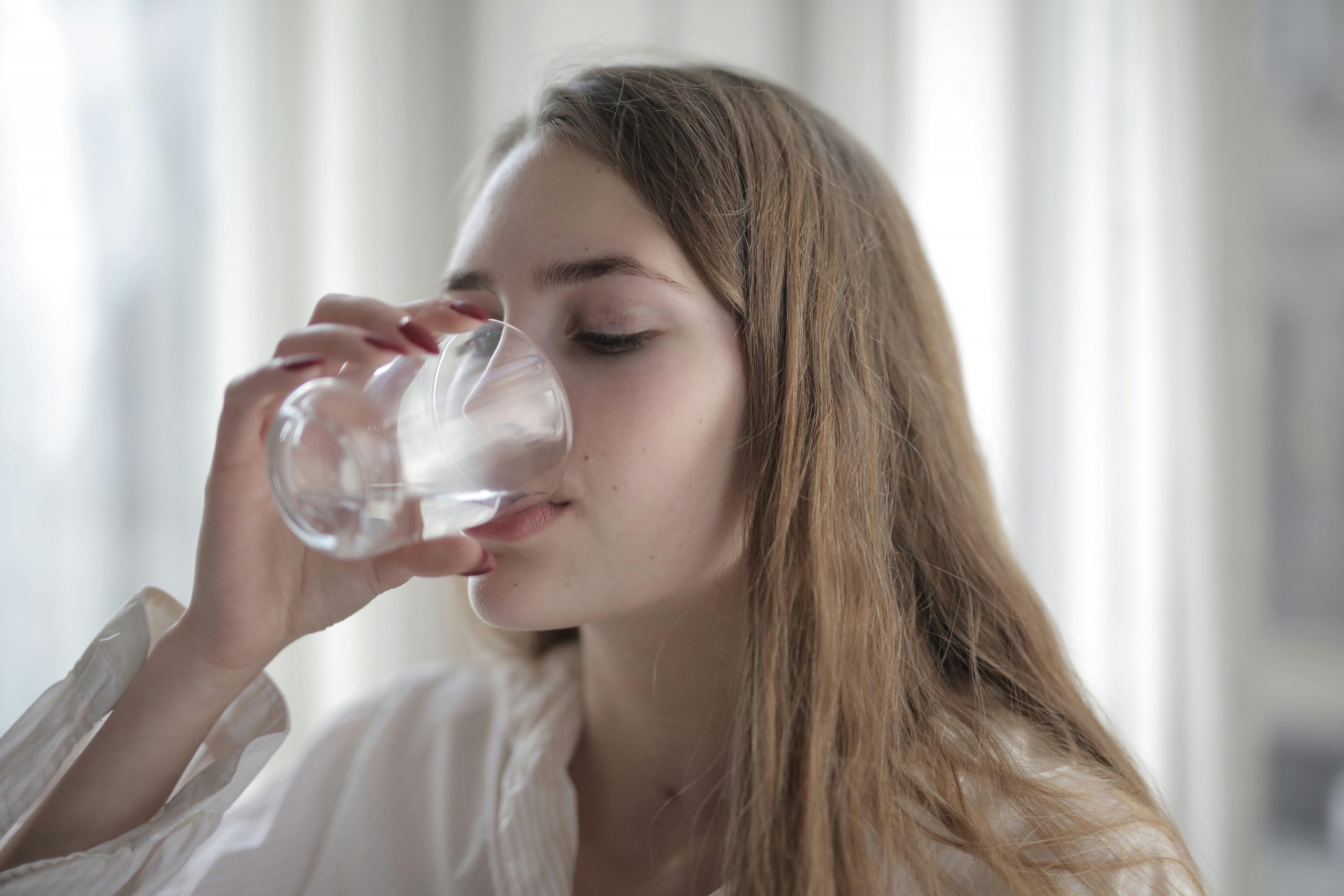
Yeah, yeah, yeah … drink more water. I know. 1-2 liters a day for most of us. We know it’s good for us, yet that’s not enough motivation for some to slam it down.
What if you knew what the consequences were of NOT drinking enough H2O? The long-term consequences, not just the “it makes me pee more” issue. That’s a piddling problem, really, when you compare it to some of these.
Don’t believe me? Check this out. Number 3 hits a nerve for me … what about you?
https://www.oversixty.com.au/?s=drink+enough+water
Seriously. Not drinking enough water leads to dehydration, a condition where the body loses more fluids than it takes in, preventing it from functioning properly. A friend of mine was just admitted to the hospital, and it took tests and assessments to discover that her symptoms all led to severe dehydration. Some intravenous fluids, and she was back home at night, promising to drink more fluids more often.
The human body is 50-70% water, and that’s why chronic or severe dehydration can lead to serious physical and mental health repercussions.
Here are the primary negative outcomes of not drinking enough water:
Immediate and Short-Term Effects
- We’ve all felt these symptoms at one time or another – down a glass or three of water and see if it relieves things for you.
- Fatigue and Low Energy: Dehydration is a common cause of energy slumps and persistent tiredness, even after adequate sleep. Water may well perk you up.
- Headaches and Dizziness: A lack of fluids reduces blood volume, decreasing oxygen flow to the brain, which can cause pounding headaches, lightheadedness, and dizziness. Maybe it’s the water more than the paracetamol that fixes that headache?
- Dark Urine and Reduced Urination: Dark yellow or amber-colored urine indicates that the kidneys are conserving water, which can lead to discomfort and stronger-smelling urine. Always check your pee colour – it’s a great indicator of whether you’re drinking enough fluids.
- Cognitive Issues and Mood Changes: Even mild dehydration (1% or more) can negatively impact mental focus, memory, and mood, leading to increased irritability. Reach for a glass and sharpen up.
- Dry Skin and Mouth: Lack of moisture can result in dry, flaky, or less elastic skin that may show more fine lines and wrinkles. Wish it solved aging wrinkles, but water certainly helps.
- Muscle Cramps: Low water intake affects electrolyte balance, causing muscles to contract and cramp. Magnesium is good for this, but maybe increasing your water intake would be better?
Long-Term and Chronic Health Consequences
- Kidney Stones and Failure: Insufficient water makes it harder for the kidneys to flush out waste, increasing the risk of kidney stones and chronic kidney disease.
- Chronic Constipation and Digestive Issues: The body extracts water from the colon to compensate for lack of fluid, resulting in hard stools, constipation, and abdominal pain.
- Urinary Tract Infections (UTIs): Failing to drink enough water reduces the frequency of urination, which allows bacteria to accumulate in the bladder.
- Cardiovascular Strain: Dehydration causes blood to become more concentrated, forcing the heart to work harder, which can lead to low blood pressure, increased heart rate, and, in some studies, an increased risk of stroke.
- Weight Gain: People often mistake thirst for hunger, leading to overeating. Additionally, water is necessary for a high-functioning metabolism; dehydration can slow this process.
- Joint and Back Pain: Cartilage in joints is largely made of water. Dehydration can cause this cartilage to deteriorate, leading to pain.
Severe and Life-Threatening Risks
In severe cases, inadequate water intake can lead to:
- Heatstroke/Heat Exhaustion: Inability to produce enough sweat to regulate body temperature.
- Seizures: Electrolyte imbalances can lead to muscle cramping and loss of consciousness.
- Hypovolemic Shock: A life-threatening condition where low blood volume causes a severe drop in blood pressure.
- Death: Chronic or severe, untreated dehydration can be fatal. [source:Cleveland Clinic]
Key Indicators You Need More Water
- Thirst (by the time you feel thirsty, you’re already dehydrated).
- Dry/sticky mouth.
- Skin that doesn’t “bounce back” quickly when pinched.
- Reduced sweating.
Disclaimer: If you experience severe symptoms like dizziness, confusion, or lack of urine, seek medical attention immediately.
And, of course, from a weight loss perspective, drinking water before a meal means you’ll likely eat less calories, and you’ll feel better all around, so you’ll sustain your motivation to focus on behaviours that reduce your obesity over time.
Now, go drink a glass of water. Add some lemon or lime slices or even strawberries to add flavour.